
Ways to Help Older Adults Stay Independent at Home Longer
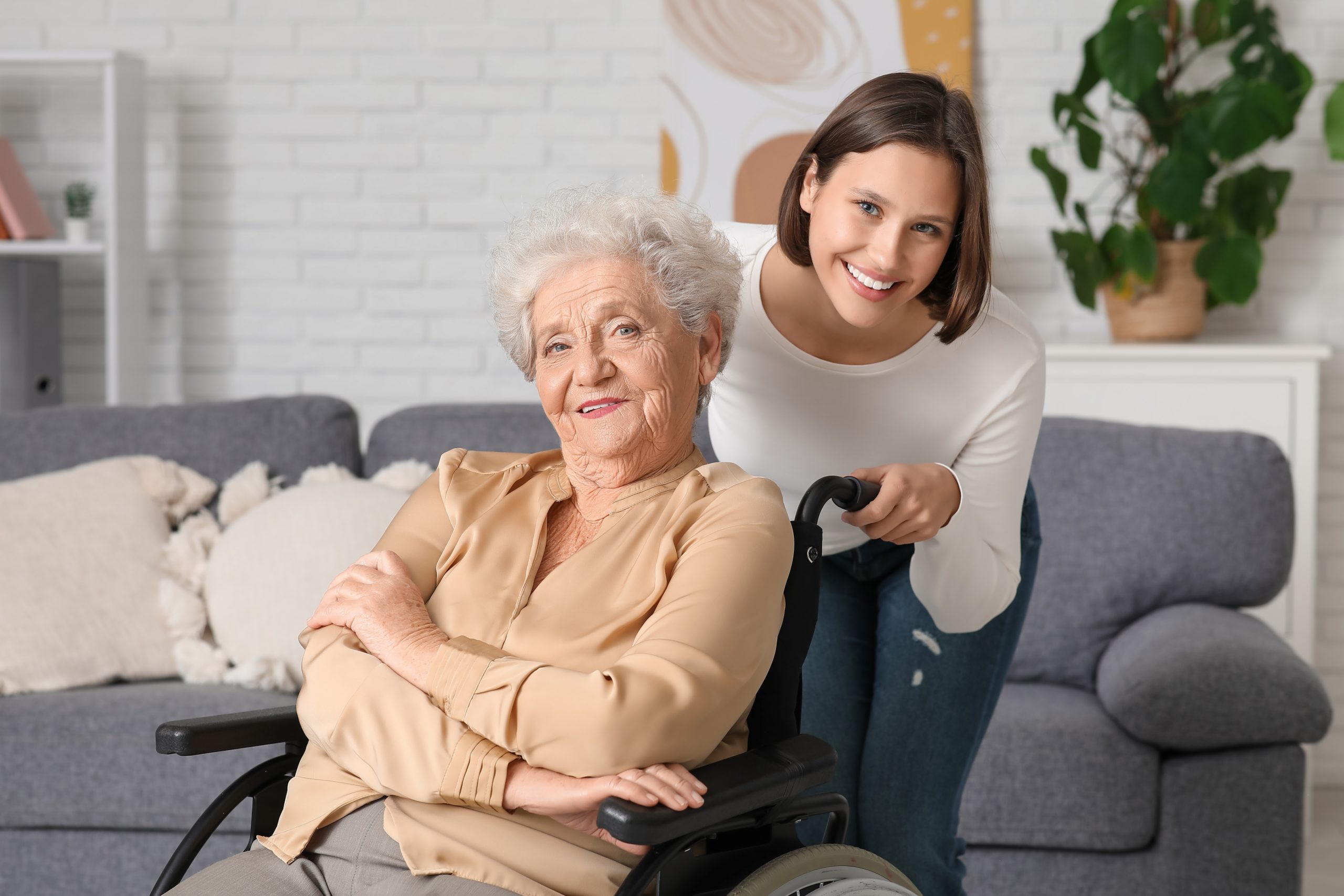
1. Make the Home Safe and Accessible
A safe living environment is essential. Simple changes can prevent accidents and make daily tasks easier:
Remove trip hazards: Clear loose rugs, cords, and clutter from walkways.
Install grab bars: Bathrooms and stairways can benefit from grab bars for added stability.
Improve lighting: Bright, even lighting reduces the risk of falls. Motion-sensor lights can be helpful for nighttime navigation.
Consider accessibility: Widen doorways, add ramps, or rearrange furniture to accommodate mobility aids like walkers or wheelchairs.
2. Encourage Physical Activity
Staying active helps maintain strength, balance, and flexibility—all crucial for independence. Encourage activities such as:
Walking around the neighborhood or home
Gentle stretching or yoga
Strength-building exercises like light weights or resistance bands
Balance exercises to prevent falls
Regular physical activity can also boost mood, energy, and overall wellbeing.
3. Support Healthy Nutrition
Proper nutrition fuels independence. Seniors may need help with:
Planning balanced meals rich in protein, vitamins, and minerals
Preparing simple, healthy meals
Staying hydrated throughout the day
Consider meal delivery services or community programs for older adults who struggle with cooking or shopping.
4. Assist with Medication Management
Taking multiple medications can be confusing. To support independence:
Use pill organizers or weekly medication boxes
Set reminders for medication times
Encourage regular consultations with doctors or pharmacists
Proper medication management helps prevent complications that could threaten independence.
5. Encourage Social Connections
Loneliness and isolation can impact physical and mental health. Support seniors in staying socially active by:
Encouraging visits from family and friends
Helping them join local community groups or clubs
Introducing technology like video calls to stay connected
Strong social connections help maintain mental sharpness and overall wellbeing.
6. Provide Access to Home Support Services
Sometimes, small amounts of professional support can make a big difference. Services can include:
Assistance with cleaning, laundry, or meal preparation
Personal care, like bathing or dressing
Transportation for appointments or errands
These supports allow older adults to continue living at home safely while maintaining autonomy.
7. Promote Mental Stimulation
Keeping the mind active helps prevent cognitive decline and promotes independence:
Encourage hobbies like puzzles, reading, or gardening
Join classes or workshops to learn new skills
Use brain-training apps or games for mental engagement
A mentally stimulated senior is more likely to remain confident and independent.
8. Plan for Emergency Situations
Independence includes being prepared for emergencies. Steps to consider:
Install a personal alert system or emergency call button
Keep a list of emergency contacts visible
Have a clear plan for medical emergencies or sudden mobility issues
Preparedness ensures peace of mind for both the senior and their family.
Final Thoughts
Helping older adults remain independent at home longer is about creating a safe, supportive, and engaging environment. By combining home modifications, social engagement, healthy routines, and professional support when needed, seniors can enjoy a fulfilling, independent lifestyle for as long as possible.
At Bay Haven Support, we provide tailored support to help older adults live safely and confidently at home. Contact us today to learn how we can help your loved ones thrive.